
Key Findings
- 64% of people wish their closet was more organized
- Disorganization leads to feelings like frustration, stress, and anxiety
- 77.5% say organization impacts their mental health and wellbeing
- 80.8% say an organized closet helps them feel “on their game” to start the day
- Many people say organization brings more satisfaction than vacations, dining out, or entertainment
Bottom line: Organization isn’t just functional. It’s emotional, psychological, and deeply tied to how people experience their daily lives.
Organization Isn’t About Storage, It’s About How You Feel
Most people think about organization in practical terms: Where do I put my stuff? But the research shows something deeper. When your environment is organized:
- You feel calmer.
- You think more clearly.
- You move through your day with more confidence.
And when it’s not? That’s where things start to unravel.
In my years of studying happiness, habits and human nature, I’ve observed that, for most people, outer order contributes to inner calm. When our spaces are designed to support what we own and how we live, it becomes easier to stay organized, feel at ease, and focus on the things that make us happier, healthier, more productive and more creative.
Most People Know They Need Better Organization (Even If They Don’t Say It)
LET’S START WITH THE REALITY
Translation: There’s a clear gap between perception and reality. People feel disorganized, but don’t always admit it.
What Disorganization Actually Feels Like
When people can’t find what they need, the emotional response is immediate – and intense. The most common feelings reported are:
This tells us that disorganization isn’t just an inconvenience, it’s emotional friction that compounds daily. Notably, these moments happen most often during weekday mornings. This means that organization directly impacts the start of your day, and by extension, everything that follows.
Where Organization Matters Most in the Home
These aren’t random spaces. They’re high-frequency areas of use, decision-heavy environments, and emotional touchpoints in daily routines. This is especially true of primary closets, one of the first spaces you experience in your day.
Organization Is a Year-Round Challenge
Contrary to what people assume, organization isn’t seasonal. While moments like January resets and spring cleaning do exist, the study shows there is no single time of year when organization matters most. Instead, we see that it’s a constant, ongoing challenge and a continuous source of stress (or relief).
What Happens When You Get Organized
Here’s where things shift. When people imagine a more organized space, they don’t think about shelves or drawers. They think about how it makes them feel:
This isn’t just anecdotal. The study shows:
- 77.5% say organization impacts their mental health and wellbeing
- 48.3% say disorganization affects how they treat others
- 59.1% say it impacts how they’re perceived
Organization influences:
- Your mood
- Your relationships
- Your confidence

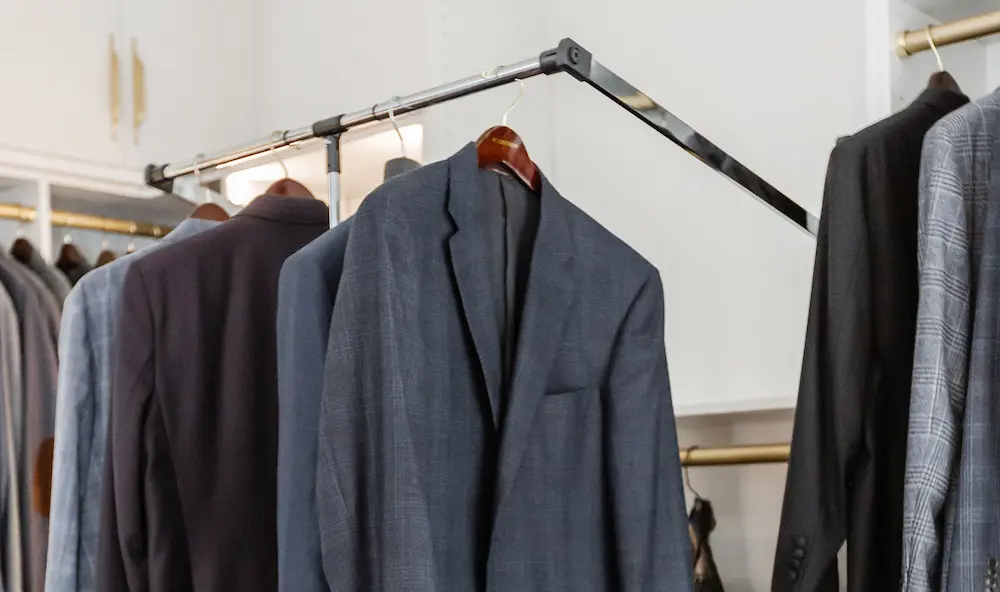
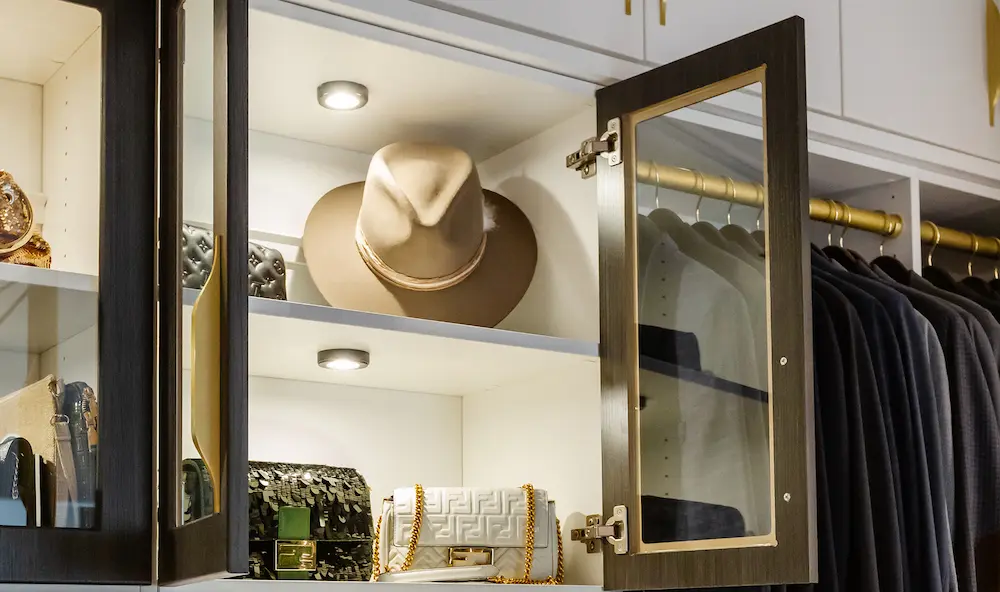
When the physical world around us is in disorder, our minds register it as unfinished business. I hear from people all the time who say they feel restless, anxious, even out of control, not because of anything happening in their lives, but because of what’s happening in their closet. A friend once told me she finally cleaned out her fridge and suddenly felt ready to change careers. I knew exactly what she meant. Getting control of our stuff makes us feel like we have more control of our lives. We often don’t realize how much mental energy we spend navigating disorder, until the day we don’t have to anymore.
What Habits Expert Gretchen Rubin Says About These Findings
According to Gretchen Rubin, the connection between organization and well-being is less about perfection and more about how our surroundings support our daily habits.
“People sometimes assume that getting organized is about getting rid of things. And yes, choices matter. But after years of studying happiness and habits, I’d say that the key is to design your space based on how you actually live. When you know what you have, and where it is, everything has a place. And when everything has its place, your day and your routine has an easier flow. The satisfaction of having a space that works for you, not against you, is often underestimated.”
Rubin points to the study’s finding that 77.5% of people say organization impacts their mental health as a reflection of how closely environment and behavior are linked.
“One thing that continually astonishes me about habits is the degree to which we’re influenced by sheer convenience. When your home is organized in a way that removes obstacles, reduces friction, and stores things right where you need them, you set yourself up to be more successful in following through on your good habits.”
The impact goes beyond productivity. With 48.3% of people saying disorganization affects how they treat others, Rubin notes that clutter can influence how we show up in relationships.
“The research shows that our surroundings can affect the way we treat the people around us. When we’re disorganized, we’re more rushed, more irritable, more likely to snap at the people closest to us. Outer order fosters peace within relationships — fewer arguments about where things are, less stress leaking into conversation, more room for the people we love. An organized home is often a calmer home for everyone in it.”
Perhaps most revealing is that 59.1% say disorganization affects how they’re perceived.
“One of the things I’ve noticed, both in my own life and in the lives of people I talk to, is how much a disorganized space quietly chips away at our self-assurance — not just how we feel about ourselves, but how willing we are to let others in. When your space is in order, you feel more comfortable inviting others in. Your surroundings stop being something you’re hiding and start being something that actually reflects who you are. Our spaces tell a story about us. The question is whether we’re in control of that story.”
Why So Many People Haven’t Taken Action
Despite understanding the benefits, many people delay getting organized. The study shows:
- 56.2% have never considered a professional solution
- Many others have thought about it or researched options, but haven’t taken the next step
This reflects a common pattern: people recognize the problem, but underestimate how much impact a solution could have on their daily life.
The Breakthrough Insight: Organization Changes Your Day
This is powerful because it shows the impact isn’t one-time, it’s repeated daily.
Here’s the Surprising Part: It Beats Other Life Enjoyments
One of the most unexpected findings is people said the feeling of an organized closet system was better than:
- Going on vacation
- Watching a good movie
- Dining at a restaurant
- Receiving gifts
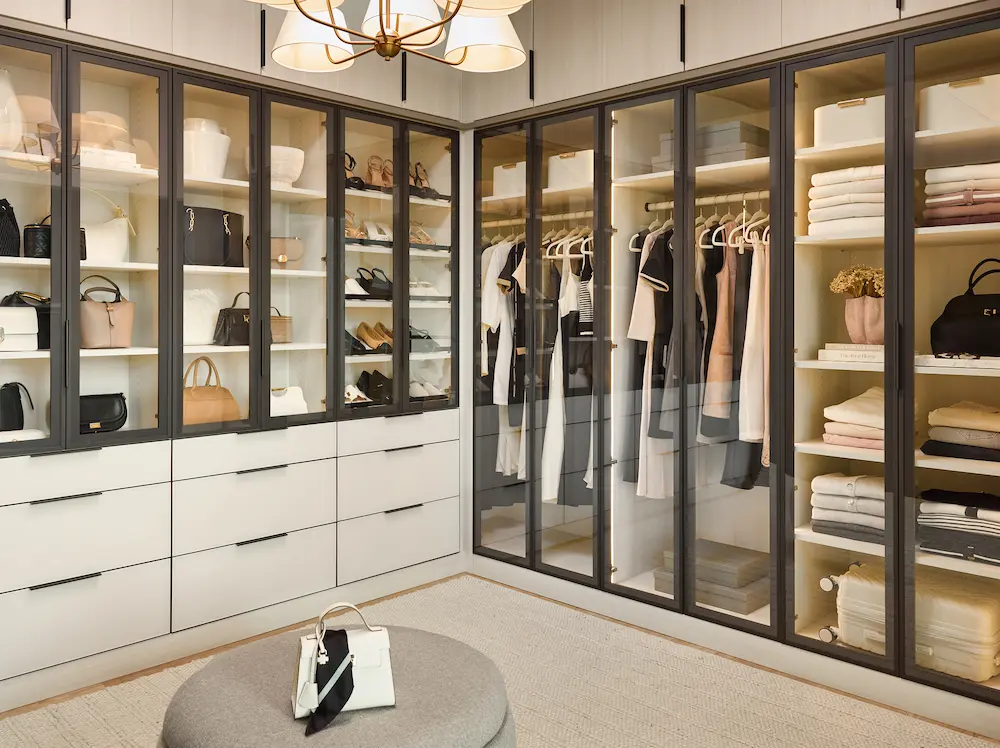
One of my favorite truths about habits is this: it’s far easier to keep up than to catch up. And nowhere have I seen that more clearly than in the way people describe what happens after they finally get their space in order. It isn’t a one-time feeling. It’s every single morning. You open that closet, everything is where it should be, you find what you need, and your day begins with a small but very real sense of calm and control. Then it happens again the next day. Sometimes we focus so much on the big dramatic transformation that we forget what we’re really building is a daily experience. A small instance of order, repeated every morning, compounds into something genuinely life-changing.
What This Means for Homeowners
If you’re feeling:
- Overwhelmed in the morning
- Frustrated finding things
- Like your space isn’t working for you
You’re not alone. And more importantly, it’s not just about your stuff. It’s about how your environment is shaping your experience.
Frequently Asked Questions
What are the benefits of an organized closet?
Does organization affect mental health?
Why does clutter feel stressful?
Organization Changes Your Day-to-Day Life
This study confirms something simple but powerful: Organization is not a “nice to have.” It’s a foundational part of how people feel, function, and live.
Want to explore all the data and insights?
Download the full report here.
Or, if you’re ready to experience the impact of organization firsthand, you can schedule a free design consultation.